
MLAA16 Gala Night 2026 Celebrates Landscape Architecture as a key driver for resilient, liveable and sustainable cities
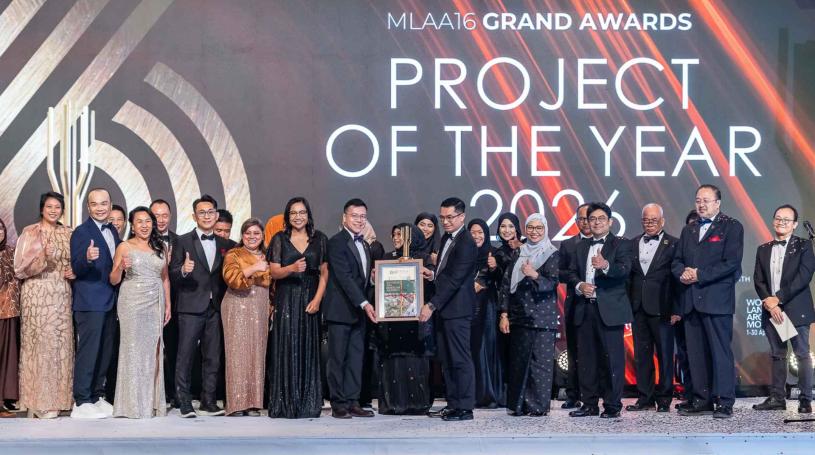
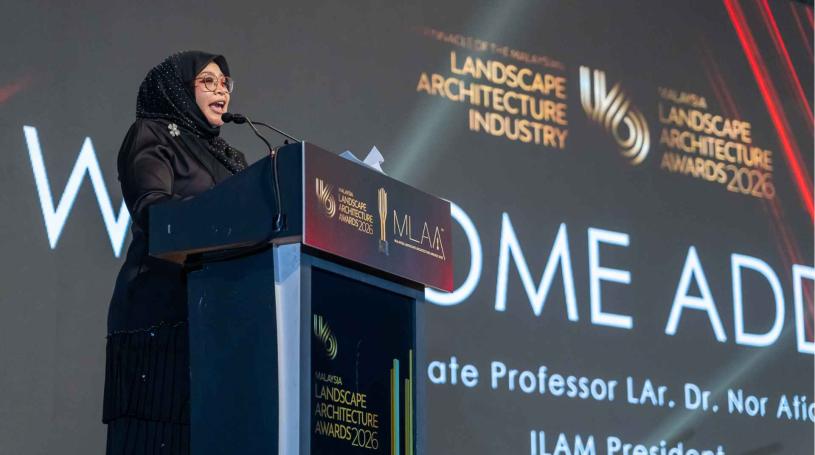
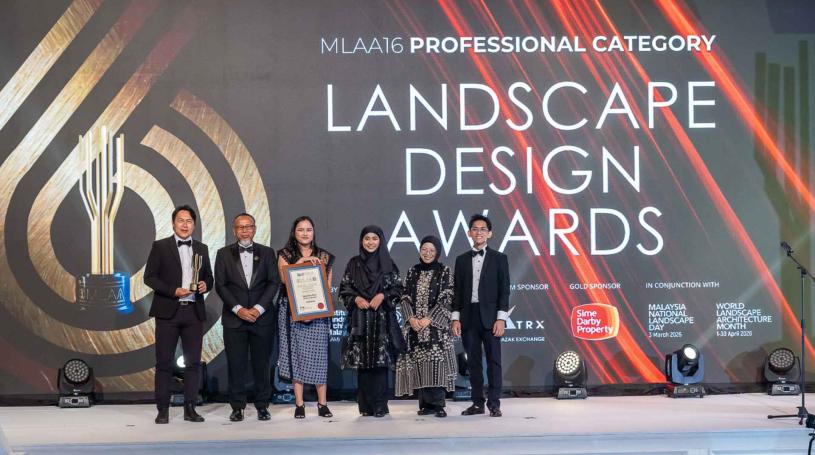
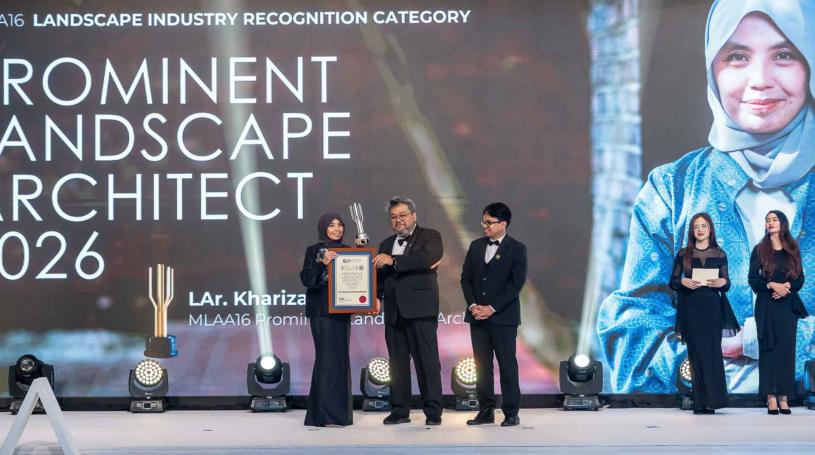
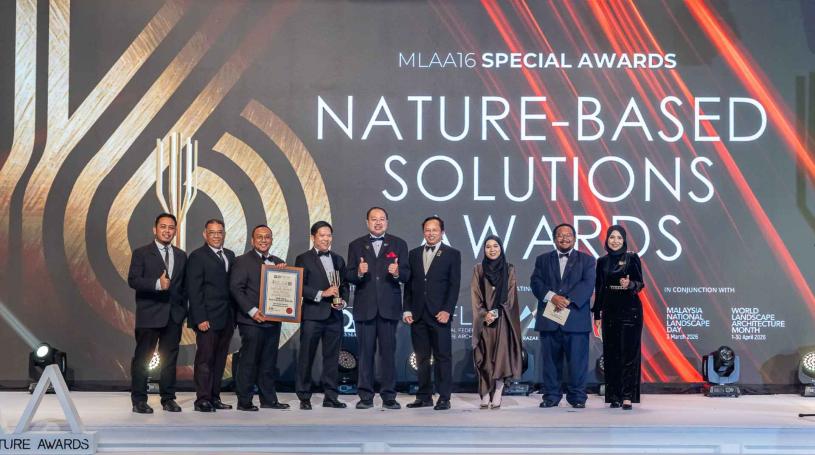


KUALA LUMPUR, 20 June 2026 — The Institute of Landscape Architects Malaysia (ILAM) successfully hosted the Malaysia Landscape Architecture Awards 16 (MLAA16) Gala Night 2026 at The Majestic Hotel Kuala Lumpur, celebrating excellence, innovation and leadership in landscape architecture across Malaysia and the region.
The annual awards brought together distinguished guests, government representatives, city leaders, developers, landscape architects, allied professionals, academics, students and international delegates from across ASEAN, reaffirming MLAA’s role as Malaysia’s leading platform for recognising outstanding achievements in landscape architecture.
The evening was graced by Yang Berhormat Puan Hannah Yeoh, Minister in the Prime Minister’s Department (Federal Territories), alongside key industry and government leaders including Yang Berusaha Paul Chan, President of the International Federation of Landscape Architects, Asia Pacific Region (IFLA APR), Yang Berusaha Assoc. Prof. LAr. Dr. Nor Atiah Ismail, President of ILAM, Yang Berbahagia Datuk TPr. Dr. Alias bin Rameli, Chairman of the Board of Town Planners Malaysia, Yang Berusaha Tuan Haji LAr. Mansor bin Mohamad, Director General of the National Landscape Department, and other distinguished guests.
MLAA16 received 154 submissions across 20 categories, covering professional practice, international projects, developers, contractors, green products, government initiatives, CSR, research, student works, climate action, and landscape industry recognition. The awards continue to set benchmarks for design quality, environmental responsibility, public value and professional excellence.
Landscape Architecture Beyond Beautification
In her address, YB Hannah Yeoh highlighted that landscape architecture is no longer merely about beautification, but is increasingly connected to ecology, climate resilience, public health, urban design, community well-being and long-term sustainability.
She emphasised that in dense urban areas such as Kuala Lumpur, parks, trees, river corridors, detention ponds and open spaces play a larger role in cooling the city, absorbing rainwater, supporting biodiversity and creating inclusive public spaces.
She also underlined the growing importance of Nature-Based Solutions (NbS) in addressing urban challenges such as heavier rainfall, flash floods, urban heat island effect, tree loss and declining biodiversity. Well-planned wetlands, detention ponds, urban trees, river corridors and green networks, she noted, are vital components of modern city infrastructure.
MLAA16 as a Benchmark for Malaysia and ASEAN
This year’s awards also carried regional significance, with award recipients and representatives from ASEAN countries present at the gala. The 9 winning projects showcased how landscape architecture can respond to climate, community, ecology, culture and urban needs in an integrated manner. They demonstrate the role of landscape architects in shaping cities where development and nature can co-exist, while inspiring higher standards for more sustainable, resilient and liveable environments across the region.
MLAA16 Winning Projects Highlight Landscape as Infrastructure
The winning projects of MLAA16 demonstrate the expanding role of landscape architecture in shaping resilient cities, restoring ecosystems, improving public life and creating meaningful places for communities.
Among the key winning projects featured this year is Tun Razak Exchange, Kuala Lumpur, which reimagines Kuala Lumpur’s financial district as a connected green urban ecosystem. Anchored by TRX City Park, the project integrates shaded walkways, plazas, streetscapes and elevated green spaces into a continuous public realm that supports urban resilience, biodiversity, walkability and public well-being.
The international winning project, Tebet Eco Park in Jakarta, Indonesia, demonstrates the power of Nature-Based Solutions in transforming a degraded, flood-prone urban park into a thriving blue-green ecosystem. Through bioswales, rain gardens, riparian planting and naturalised river edges, the project has become an important regional benchmark for ecological restoration and climate-resilient urban park design.
The Taman Rekreasi MADANI Programme by KPKT, implemented nationwide through Jabatan Landskap Negara, was honoured with the President’s Award at MLAA16. The programme demonstrates how neighbourhood parks can serve as vital green infrastructure, strengthening public open space networks, supporting inclusive community recreation, and embedding climate-responsive design into everyday environments across Malaysia.
Further details of the MLAA16 Winners can be found at: https://www.ilamalaysia.org/mlaa16winners